- Band 1 Nationwide: State Attorneys General
- Band 1 Nationwide:



Troutman Pepper Locke State Attorneys General (AG) team members Lauren Fincher, Michael LaFleur, and Bill LaRosa will speak at a BARBRI CLE on Tuesday, June 9 from 1–2:30 p.m. ET. The program, “Challenging State Civil Investigative Demands Prohibited by Federal Law: Strategies and Practical Tips,” will address strategies and best practices for litigators responding to state AG civil investigative demands (CIDs) and investigative subpoenas, including an introduction to state AG CIDs, response options, and common pitfalls. The panel will also discuss the Supreme Court’s unanimous decision in First Choice Women’s Resource Center v. Platkin, _ U.S. _ (2026), and offer approaches tailored to industries frequently targeted by state AG investigations.

On May 26, 2026, a bipartisan coalition of 44 attorneys general (AGs) issued a letter opposing the federal Kids Internet and Digital Safety Act (KIDS Act), H.R. 7757. The AGs assert that the KIDS Act would preempt their ability to enforce child online safety laws at the state level.
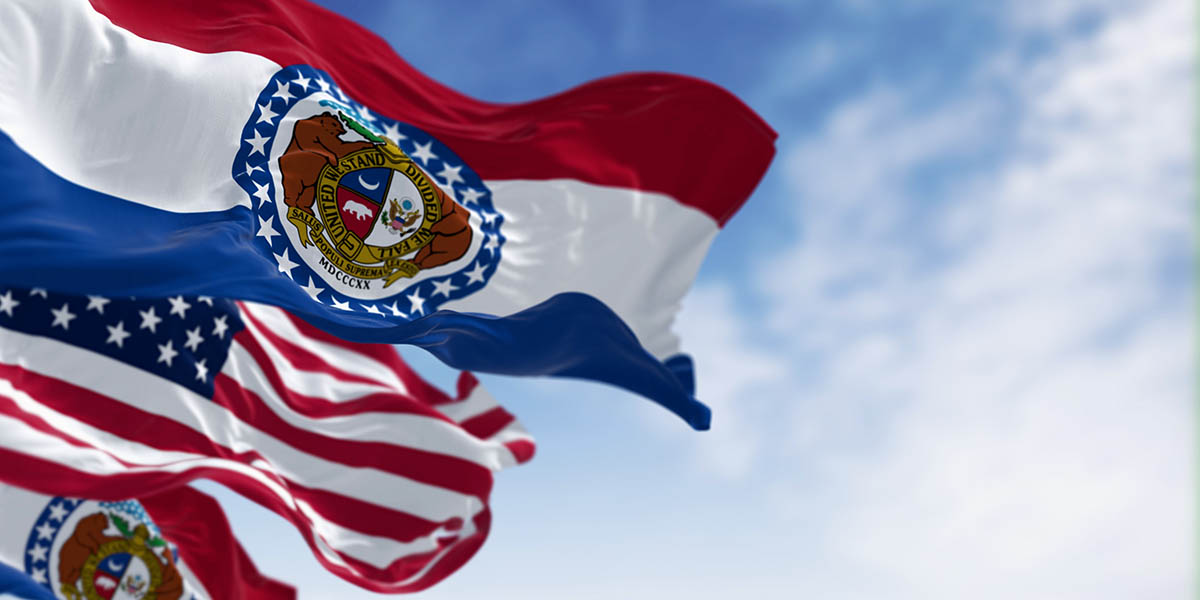
On May 20, the Missouri attorney general (AG) filed suit in Missouri state court against the cryptocurrency ATM operator GPD Holdings LLC, which does business as CoinFlip. The AG alleges that CoinFlip violated Missouri’s Merchandising Practices Act by failing to adequately protect consumers from fraud involving its machines and by not clearly disclosing the full extent of its transaction fees. CoinFlip has denied the allegations and stated that it intends to contest the lawsuit.

On May 11, 2026, the Washington attorney general (AG) settled with Homeaglow Inc. d/b/a Dazzling Cleaning (Homeaglow), a cleaning service company, and related parties, for $2.25 million over alleged violations of the Washington Consumer Protection Act for unfair and deceptive advertising and negative option membership practices.

On May 15, 2026, the U.S. Court of Appeals for the Fourth Circuit partially blocked Maryland’s new “greenwashing” law for retail electricity suppliers. Holding that the statute’s core advertising restriction likely violates the First Amendment, the court ordered a preliminary injunction against the provision limiting use of terms like “clean,” “green,” and “100% renewable” if the legislature’s specified conditions were not met. In contrast, the court remanded for further proceedings on Maryland’s newly issued disclosure requirements. The decision underscores the constitutional limits on how far states can go in policing environmental marketing claims — limits that are relevant to companies both in and outside the energy sector.

The New York Attorney General’s (AG) Office announced a $5 million settlement with Uphold HQ Inc. (Uphold), a cryptocurrency platform that allows users to buy, sell, and trade digital assets. The settlement resolves allegations that Uphold misleadingly promoted Cred Inc.’s now‑bankrupt investment product, CredEarn, to its customers as a safe, savings‑style vehicle.
Alaska has a new acting attorney general (AG) after state lawmakers refused to confirm Governor Mike Dunleavy’s appointment of Stephen Cox, who has been serving as AG since August 2025. The new acting AG is Cori Mills, a 14-year veteran of the AG’s office.

On May 7, 2026, Ohio Attorney General (AG) Dave Yost announced his resignation after having served in the role since 2019.

Ashley L. Taylor, Jr., co-leader of Troutman Pepper Locke’s State Attorneys General Practice Group, was quoted in the May 5, 2026, Law360 article, “High Court Clarity On Subpoenas Creates Murky Path For AGs.”